

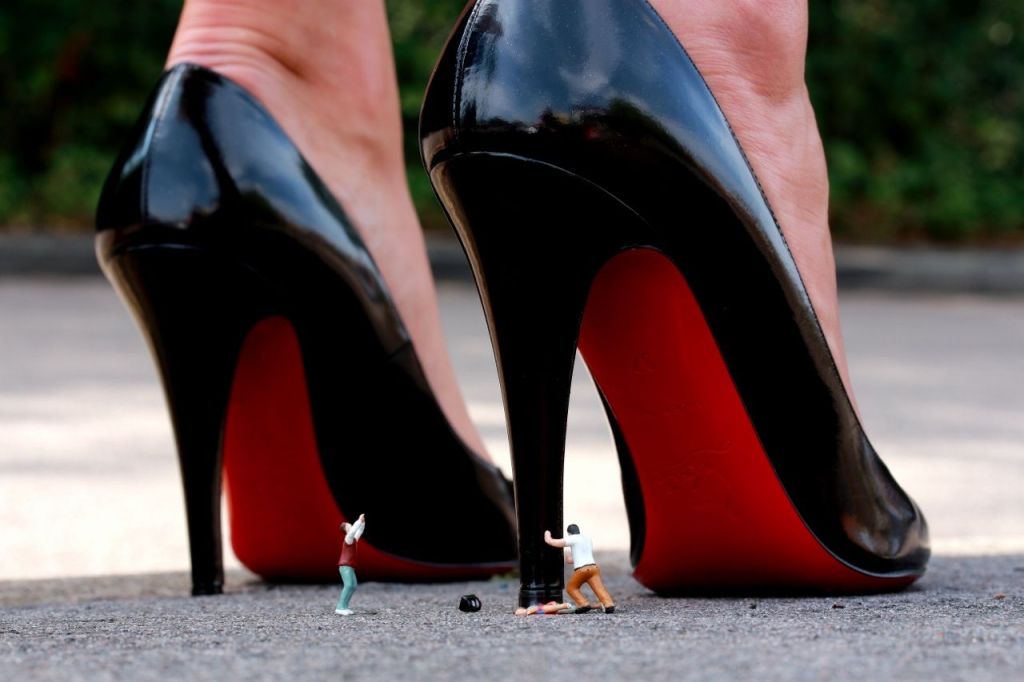
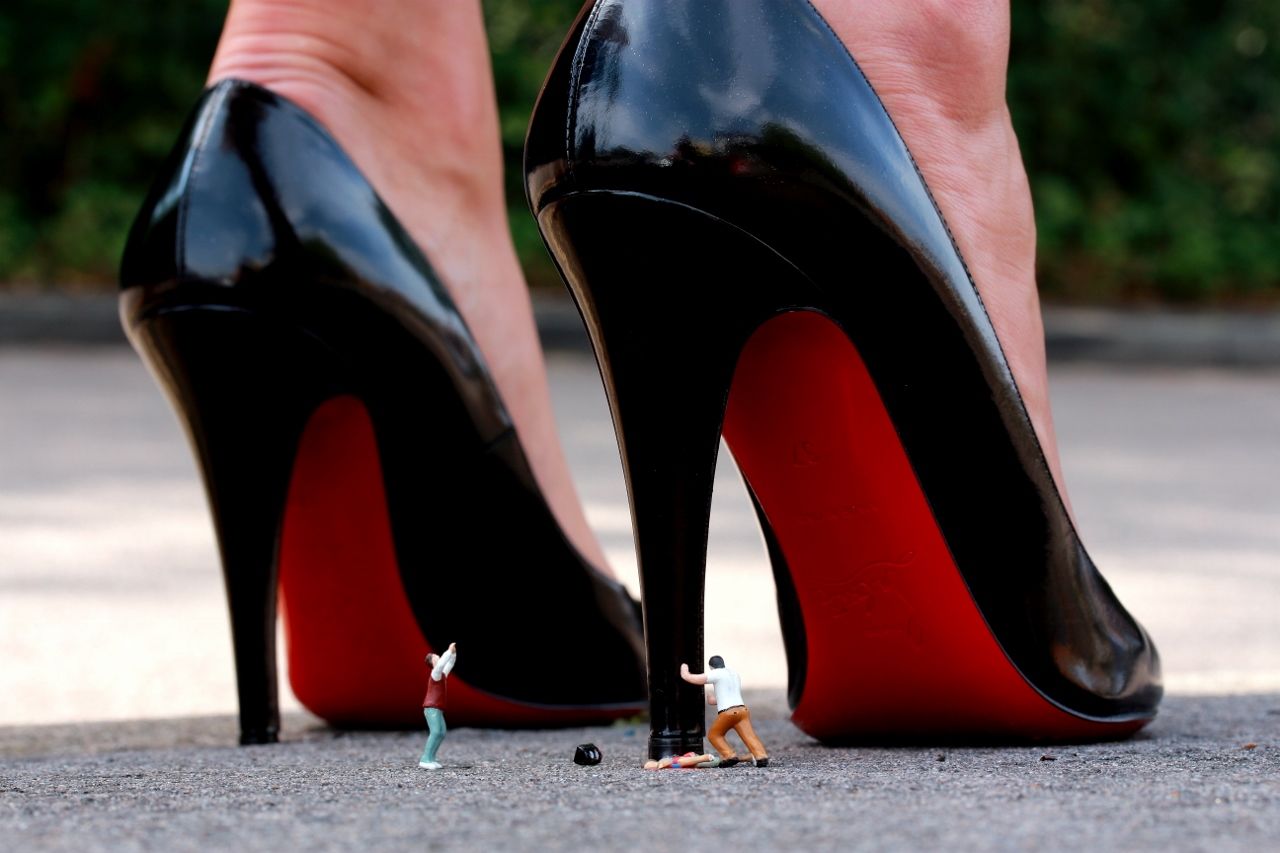
Click, click, click. What’s that sound? Could it be stilettos sashaying to the sartorial graveyard, where fashion trends go to die? Here’s hoping. Off they trot, and not a moment too soon.
It’s high time we waved goodbye to these sole-destroying objects of orthopaedic torture. They’re called “killer” heels for a reason.
There are encouraging signs we’ve finally come to our collective senses and kicked out heels for good. Sales are in freefall, even in France, where Christian Dior first popularised the sleek stiletto in the 1950s. Gen Z women are voting with their feet and opting for trainers, flats and loafers instead.
Even Sarah Jessica Parker – whose Carrie Bradshaw character in Sex And The City popularised jewel-coloured satin heels – has closed her shoe brand, SJP. The news came hot on the heels of the actress admitting years of skyscraper shoes permanently damaged her feet.
She’s confirmed what women have known for generations: tottering around on minuscule metal pins damages our bones, knees, and backs. I recently heard a horror story from an octogenarian whose bones are so deformed from years of heel-wearing that she can’t walk without support.
Why would we inflict this fate on ourselves and PAY for the privilege? It’s the height (sorry) of insanity.
“Wait! What of a woman’s right to shoes?” you may cry. You might consider heels glamorous and elegant. I know I did for most of my twenties. But in a post-pandemic pique of (rare) common sense, I donated most of my heels to charity without a second thought.
There was just one pair I couldn’t bear to part with, a sleek pair of red-soled Christian Louboutins. I’ve worn them fewer than ten times, but they look great on my bedroom shelf—like museum-worthy sculptures.
I imagine a future where I’ll show them to a granddaughter, like precious historical relics. She’ll look up at me with a mixture of horror and confusion as I explain that, yes, women really *did* walk around in these things. “But WHY, Nana?” she’ll ask. Why indeed.
I’ll blame 20th-century popular culture, which convinced us heels equal womanly sophistication. From Marilyn Monroe’s wiggle to Sharon Stone’s seductive leg uncross in Basic Instinct, they became symbols of erotic power, the pinnacle of femininity.
But the truth is, for most of history, heels were resolutely masculine. Long before they became a pornographic trope, they were how wealthy men signalled their taste and equestrian prowess.
Invented in 10th-century Persia to secure military men into stirrups, the stacked heel fashion soon spread to European royal courts. In a famous, quite brilliant painting of Louis XIV, he shows off his shapely stockinged legs in a fetching pair of jewelled heels.
The craze soon spread to these shores. When English aristocrats embarked on their grand tours, they’d return wearing scarlet “French heels”, signalling the privilege of their continental adventures (Byron in blood-red Blakhniks is a mental image I’ll never erase).
Heels first appeared on women’s feet in the 1620s, when borrowing male attire was briefly all the rage. But how did they morph into icons of feminine glamour and elegance? I was surprised to learn they gained popularity to make women appear smaller, not taller.
In the late 1600s, when daintiness became de rigeur for women, wooden heels helped shrink the female footprint. A heel – stacked underneath the instep – hid feet under skirts, leaving the tiniest tips visible.
It’s no accident that Cinderella – written in 1697 – left behind a Lilliputian shoe at the ball. By then, femininity had become synonymous with an ever-shrinking delicacy. By 1780 – fuelled by English animosity towards the enemy France and their frivolous ways – heels were an exclusively female affair. Fashion, huh?
Fast-forward 170 years, and the wide availability of steel after WWII gave birth to the metal stiletto—or “little knife” in Italian. The glamour of these thin heels symbolised a return to luxury and femininity after the constraints of the war years.
For my grandmother’s generation, the high heel stood for freedom (poor things. As if they didn’t have it bad enough, what with contraception not being invented yet).
When I took my then-82-year-old Nana to a Buckingham Palace garden party in 2013, she wore intricate lilac heels while I grumpily galumphed around in cork wedges.
So, is the heel’s recent fall from grace yet another example of fashion’s fickle, cyclical nature? Sustainable fashion stylist Becky Barnes believes the vertigo-inducing shoe’s days are numbered. She points to a growing awareness of the health risks of unstable shoes:
“More women are choosing footwear that better aligns with their lifestyle. For many of us, that means being able to walk or run around easily.”
Actress Jennifer Garner – a woman after my own heart – recently wore trainers on the red carpet after dumping her uncomfortable strappy sandals. And it’s not just A-listers. Jess Renault, founder of Cardiff’s only pre-loved boutique, Déjà Vu, says demand has nosedived, and she’s only sold one pair of heels since the store opened nine months ago. Her 22-year-old colleague Evie Arnold told me the only time she’s worn heels was for her graduation:
“I felt so uncomfortable I vowed never to wear them again.”.
Sleek white platform trainers are my new go-to for business meetings. And at a recent conference, I counted zero heels. Have we finally accepted that comfort is the ultimate power move? And does this mean the stiletto is under mortal threat?
Barnes says that while the pendulum could swing back to more formal dressing, we may never return to the back-breaking heels of yore. She highlights the rise of the “Flexi-shoe” as women focus on utility, sustainability and cost-per-wear:
“Creative brands are revolutionising footwear with modular shoes that switch from flats to kitten, block, or stiletto heels in one click. Flexible shoes that adapt to our outfit, mood, or schedule could be the future.”
So, farewell to stilettos—those tiny, overpriced torture chambers. And if heels do come back, I’ll keep both feet firmly planted in my daps, thank you very much. With zero regrets and not a blister in sight.

 silverdiscodaps.com
Leave a comment