

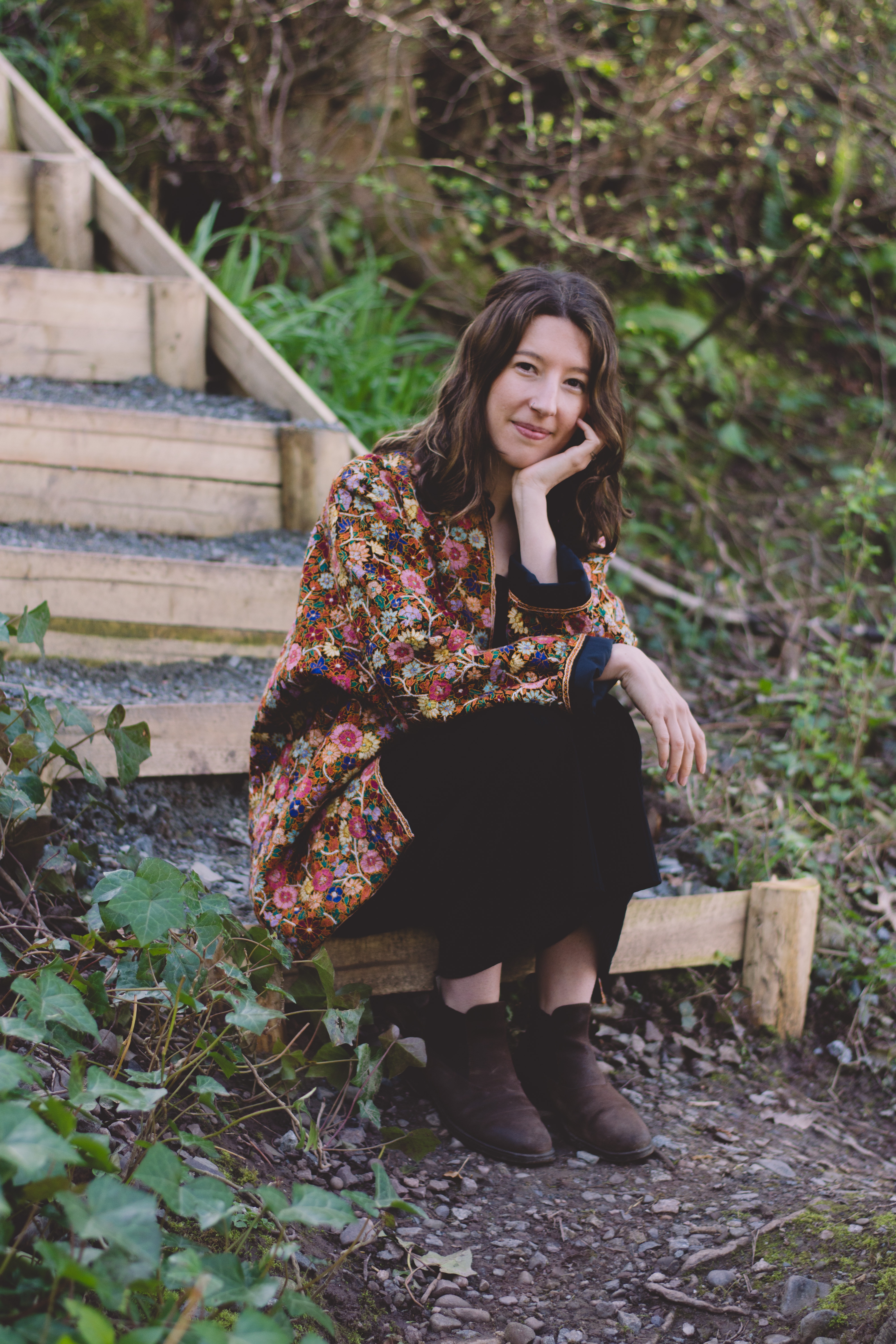
Few books grip me from the opening lines. Fewer still leave me coming up for air five hours later, feeling like my insides have been through a spin cycle. Long Going, by Welsh author Sophie Calon, subtitled ‘a daughter’s memoir of a dad who drank’, is one of those. It’s not light holiday reading, but I’ve recommended it to everyone I know.
At 50, Calon’s father was a high-flying lawyer. At 55, he was found dead in Cardiff city centre at Christmas. In between, he pinged between homeless shelters, park benches and prison cells. For a time, in a cruel twist of symmetry, he lived in a tent in Callaghan Square, beneath the shadow of a building where he had worked on multimillion-pound deals so recently.
Long Going explores how addiction can unravel someone slowly, imperceptibly, until there’s nothing left but fragments of the person you knew. It’s a powerful, poetic memoir pulsing with Calon’s love for her father: a witty, magnetic man who taught her to “see the beauty” in everything, even as he dismantled his family’s lives with every drink.
This is not a tale of redemption. It’s an unflinching portrait of how addiction consumes a person and a family. Calon writes with clarity about the addict’s inherent selfishness while painting a deeply compassionate portrait of a cherished parent, all in sparkling, vivid prose. I cried reading it because it felt painfully, recognisably true. If you’ve ever watched someone you love vanish into addiction, this book will cut close to the bone. It did for me.
Heavy drinker Ernest Hemingway’s phrase “gradually then suddenly” describes situations where change occurs slowly, then accelerates rapidly. It’s a fitting description for addiction and for loving someone caught in its stranglehold. What begins as a few harmless drinks can easily become a pattern, then a problem, and ultimately a crisis.
In retrospect, the signs were always there, but too easy to dismiss in a culture that normalises the nightly glass (or bottle, then bottles) and fails to see the slow unravelling underneath.
Alcohol—legal, taxed, glamorised, and normalised—is one of the hardest addictions to spot. We live in a culture where not drinking is considered the weird thing. The lines between enjoyment, bingeing, creeping dependence, and addiction blur quickly, mainly because those struggling often become experts at hiding it. Lying, deflecting and covering their tracks is how the illness teaches them to survive.
When denial becomes second nature, and drinking is stitched into your national culture, it’s hard to tell where tradition ends and problematic drinking begins. We have a serious problem with alcohol in Wales. We’re known for song, but are we also the land of the sauce? The land of Dylan Thomas (who drank himself to death aged 39), Richard Burton (who famously described his relationship with alcohol as “like a love affair”, acknowledging its seductive pull and destructive consequences) and Anthony Hopkins (who got sober with the help of Alcoholics Anonymous in 1975). You’d be forgiven for thinking that to be Welsh is to be born with a pint glass in your mouth.
The numbers back this up. Around 45% of men and 34% of women report drinking above the recommended guidelines. Alcohol-specific deaths – those caused entirely by alcohol – hit a record high in Wales in 2023, with 562 fatalities. That’s a 16 per cent rise in a single year and a steep climb from 351 deaths in 2014.
And that’s just where alcohol is the only cause. What remains murky is how many more injuries, illnesses and deaths involve alcohol as a contributing factor. For instance, did you know that alcohol is a significant causal factor in more than 200 medical conditions?
And then there are the deaths caused indirectly. A childhood friend of mine lost her beloved father when she was just six. He was punched in a pub brawl, hit his head on a jukebox and died almost instantly. A senseless loss of life and an unknowable grief, carried ever since by those he left behind.
Calon’s story—a comfortable upbringing in the leafy suburb of Cyncoed, idyllic summers in their French holiday home—makes one thing clear: addiction doesn’t care about class. I spoke to the head of an addiction charity who told me their service users range from “judges to doctors, from teachers to the unemployed.”
And yet, we know deprivation plays a significant role. People living in Wales’ most deprived areas are 2.8 times more likely to be admitted to hospital for alcohol-specific conditions than those in the least deprived. In 2023, Merthyr Tydfil had the highest rate—397 per 100,000 people—more than double that of Powys.
Minimum alcohol pricing, introduced in 2020, was meant to curb harmful drinking. But a recent report found that dependent drinkers often continue to prioritise alcohol over essentials, pushing them into deeper vulnerability. The report’s top recommendation? Wales urgently needs better, more accessible treatment services.
We also know that growing up in homes where alcohol misuse is present can leave lasting scars. Addiction wraps its tentacles around children and grandchildren, blighting lives far beyond the drinker. In Calon’s story, there is hope. She finds solace in nature, in the very beauty her father once taught her to see. But the pain of their estrangement—a hard, necessary choice for her own survival—lingers.
The stories of children of alcoholics go largely unheard because they so often remain untold. Outside therapy rooms, AA family support groups, or the quiet, painful corners of one’s mind, there is still too much stigma and shame.
Long Going breaks that silence. It captures the quiet, complicated grief carried by so many who love someone they can’t save. Calon’s memoir honours her father while gently opening a more honest conversation about addiction and the need for better support for everyone it touches.
If you’re affected by addiction, support is available. Call the free, confidential Dan helpline 24/7 on 0808 808 2234 or visit http://www.dan247.org.uk.

 silverdiscodaps.com
Leave a comment