

We went to Copenhagen to see a band called Big Thief. We stayed to enjoy the delights of a city we both fell in love with and would move to in a heartbeat.
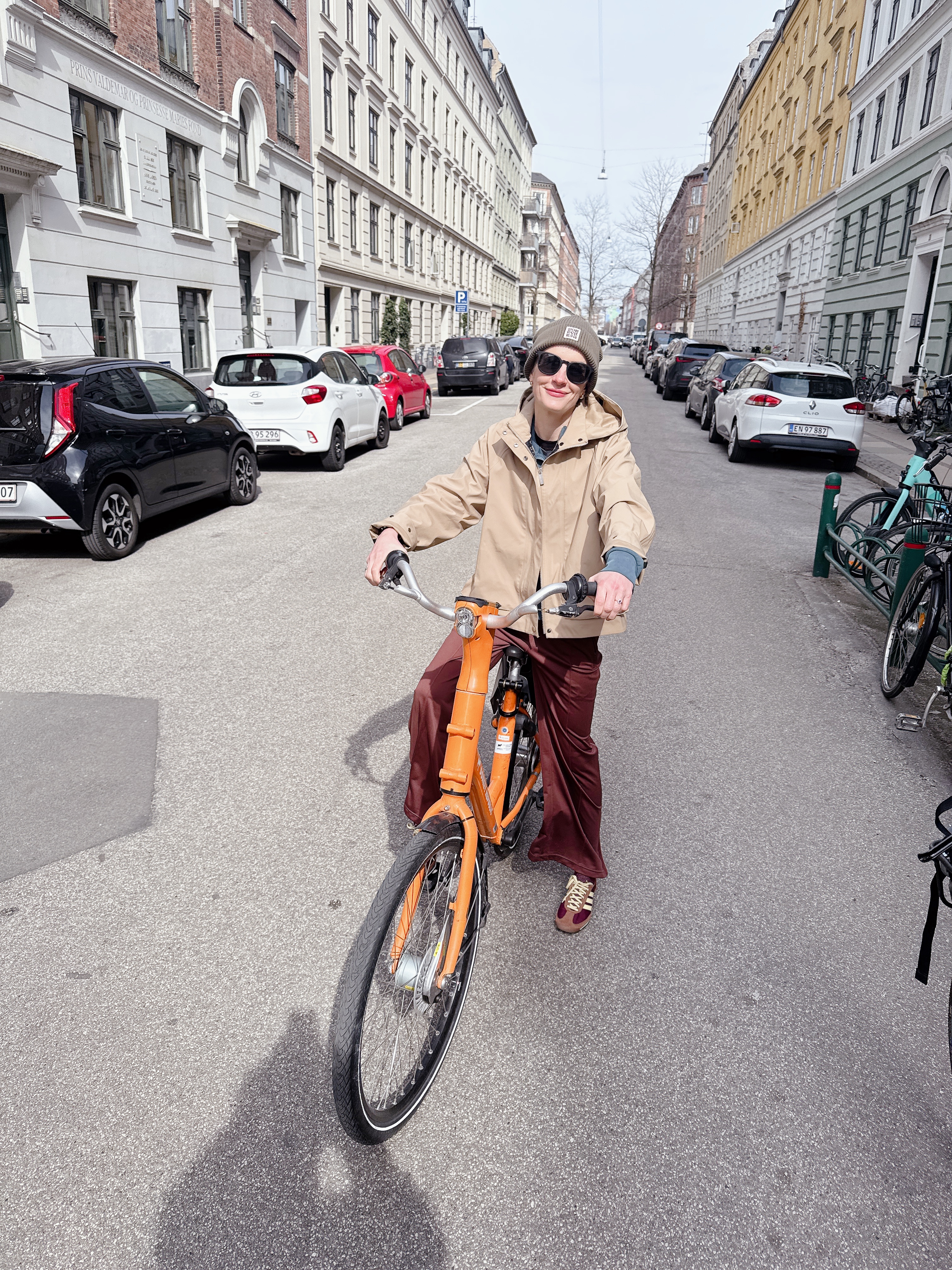
You see, Copenhagen is magnificent in ways that can leave you slightly furious if you think about what we could learn from it in Wales. The cycling infrastructure alone is a wonder to behold (nearly half of work and education trips are made by bike, and there are 750,000 bikes in the city compared with 130,000 cars). Everyone cycles because it’s cheaper and easier. The lack of cars on the roads means the air is cleaner and the streets are quieter. Then there are the high-quality public services, with childcare heavily subsidised and higher education tuition-free. Denmark is consistently ranked among the happiest countries on earth, underpinned by a progressive tax system and a welfare state that people can feel in their daily lives.
It is also, as a tourist, eye-wateringly expensive; a mid-range meal for two with a couple of drinks can easily come in at around 900 kroner, or about £100. Six days in, my partner and I were doing the mental arithmetic of meals versus mortgage with alarming frequency, which is how we ended up at Absalon.
A former church in the city’s Vesterbro district, Absalon is now a gloriously random community hub offering yoga classes, bingo nights, and table tennis. Converted by Lennart Lejboschitz, the man behind the Flying Tiger Copenhagen retail chain, it is a meeting place for people of all ages. You can rock up by day to enjoy a cuppa and work remotely, or line dance and enjoy DJs by night.
But its real calling card is fællesspisning, Danish for communal dining. Every evening, 180 strangers sit down together at long tables and share a meal. Tickets cost 75 Danish krone Sunday to Wednesday, and 100 krone on weekends – roughly £9 to £12. In a city where a round of drinks could fund a small Welsh village’s electricity bills for a fortnight, this felt nothing short of miraculous.
Now, I am a natural introvert who cosplays as an extrovert when I have to. I realise that to many people, communal dining sounds, on paper, like a waking nightmare. Sitting next to people you’ve never met? Making small talk while competing for the bread basket? It could easily sound hellish. But at those prices, we had to give it a whirl.
Before the food arrived, an Absalon team member gave a short talk explaining the fællesspisning concept, its philosophy, and the practicalities. We learned that everyone mucks in to bring the food to the tables and clear the plates. It felt considered and intentional, less like an awkward dinner party we’d been forced into attending and more like a social experiment we’d actually volunteered for.
The food was simple and extraordinary in equal measure: home-baked bread, warm from the oven; a butterbean casserole, deeply and properly flavoured; and minty potatoes and vegetables. Hearty and homemade, it was the kind of meal that tasted as if someone cared about feeding us well. And then there was the company.
Our tablemates were a gloriously mixed bunch: a German couple, a comedy producer, and a dad reuniting with his daughter who’d recently moved to the city. We were all curious about what had brought us there, swapping tips and stories, and somewhere between the bread and the butterbeans, our dining companions discovered that Wales has its own language. My partner, who had been waiting his entire life for this exact moment, was delighted to explain that it predates English by several centuries, before teaching them a few phrases yn Gymraeg.
The following morning, armed with a strong coffee recommendation from one of our fellow diners, we cycled across the harbour to a tiny place we would never have found in a hundred years of guidebook-trawling. It was one of the best coffees I’ve ever tasted. That little tip alone was worth the entire evening.
This is what Absalon offers beyond the meal itself: chance encounters that quietly change the texture of a trip.
Which got me thinking about Wales. Obviously. Everything eventually gets me thinking about home.
About fifteen years ago, I was handling the PR for a new restaurant launch in Cardiff, and keen to make a splash, I suggested they incorporate a communal table, a dedicated space where solo diners could book in and eat alongside strangers. The launch night was a big success. We gathered people from all walks of life, from an opera singer to a builder, around a big circular table, and the resulting conversation was predictably chaotic and wonderful. But the table never really took off after that, and the concept was quietly shelved. Perhaps it was before its time, or perhaps Wales wasn’t ready to be told to talk to the stranger sitting next to it.
Fifteen years on, though, something has shifted. We are lonelier than ever, more of us live alone, and the pandemic stripped away so much of the casual social infrastructure we used to take for granted. The conversation about how we find our way back to each other grows louder every year, and communal dining feels to me like a quietly radical part of the answer.
Not a silver bullet, not a cure for all social ills, but a low-stakes, high-reward opportunity to sit next to someone you’ve never met and discover that they know a brilliant coffee shop or can teach you a few words in their language,
Absalon describes itself as “your living room away from home”, and we felt that immediately. There’s something about a light-filled hall, long tables, warm bread and 180 people all in the same social boat that strips away the usual performance of eating out. Nobody’s there to be seen. Everybody’s there to eat and, as it turns out, to talk.
Wales does community brilliantly. That deep instinct for gathering runs through us like a hymn through a valley’s chapel. What we’ve perhaps lost is the everyday infrastructure for it, the unremarkable ritual of sitting down with people who aren’t already in our WhatsApp groups. Chwarae teg to Denmark for reminding us what that looks like, and for doing it in a beautiful old church with excellent food for under a tenner.
Is Wales ready for fællesspisning? I think we might be more than ready. We just need someone to set the table.
I’ll bring the bara brith.


Leave a comment